

Losing a tooth can feel like a major setback. Beyond just the gap in your smile, it can make chewing difficult and even change the way you speak. If you are looking for a solution in India, you have likely come across two popular options: dental implants and dental bridges.
But how do you choose? Is a bridge better because it is faster? Or are implants worth the investment for the long run? Making the right choice is essential for your oral health and your budget. In this guide, we will break down the debate of dental implants vs. bridges so you can make an informed decision right here in Thane.
What Are Dental Implants and Bridges?
Both treatments are designed to replace missing teeth, but they work in very different ways.
A dental implant is a titanium post that acts like a root for your new tooth. It is surgically placed into your jawbone. Once it heals, a crown is attached to the top. It looks and feels just like a natural tooth.
A dental bridge, on the other hand, literally “bridges” the gap. It uses the healthy teeth on either side of the gap as anchors to hold a false tooth in place. It does not replace the root; it only replaces the visible part of the tooth.
Causes and Reasons for Needing Tooth Replacement
People lose teeth for various reasons, and identifying the cause helps determine which treatment is best:
- Severe Decay: When a cavity becomes too large to be fixed with a filling or a crown.
- Gum Disease: Advanced periodontitis can weaken the bone, causing teeth to fall out.
- Injury or Trauma: Accidents during sports or falls are common causes of missing teeth in India.
- Congenital Issues: Some people are born with certain teeth missing.
Signs You Need a Replacement
If you have a missing tooth, you might notice these signs:
- Shifting Teeth: Your remaining teeth might start to lean into the empty space.
- Jawbone Loss: Without a tooth root to stimulate the bone, the jawbone can start to shrink.
- Changes in Face Shape: Missing multiple teeth can lead to a sunken facial appearance.
- Difficulty Eating: Difficulty biting into hard or chewy foods.
Treatment Options Explained
When comparing a dental bridge vs. implant, here is how they stack up for the patient:
The Dental Implant
This is considered the “gold standard” because it is a standalone solution. It does not rely on other teeth. It keeps your jawbone healthy and can last a lifetime with good care.
The Dental Bridge
This is a quicker, non-surgical option. It is great if you want a faster result or if the bone in that area is too thin for an implant. However, it requires the dentist to shave down the healthy neighboring teeth to fit the bridge.
Step-by-Step Procedure
Here is what you can expect during your visit to a clinic in Thane:
For Dental Implants:
- Consultation: We take X-rays or 3D scans to check your bone health.
- Placement: The titanium post is placed into the jawbone. This is done under local anesthesia so you won’t feel pain.
- Healing: You wait a few months for the bone to grow around the implant.
- Final Crown: A custom-made ceramic tooth is attached to the post.
For Dental Bridges:
- Preparation: The teeth next to the gap are reshaped to act as supports.
- Impressions: A mold is taken of your teeth to ensure a perfect fit.
- Temporary Bridge: You wear a temporary piece while the lab makes your final bridge.
- Fitting: The final bridge is cemented into place.
Benefits of Each Treatment
Benefits of Implants:
- Longevity: They can last 25 years or more.
- Bone Health: They prevent the jawbone from shrinking.
- Natural Feel: You can eat and speak exactly as you did with natural teeth.
Benefits of Bridges:
- Speed: The process is usually finished in two or three visits.
- No Surgery: No need for bone grafting or invasive procedures.
- Lower Initial Cost: Generally more affordable upfront than an implant.
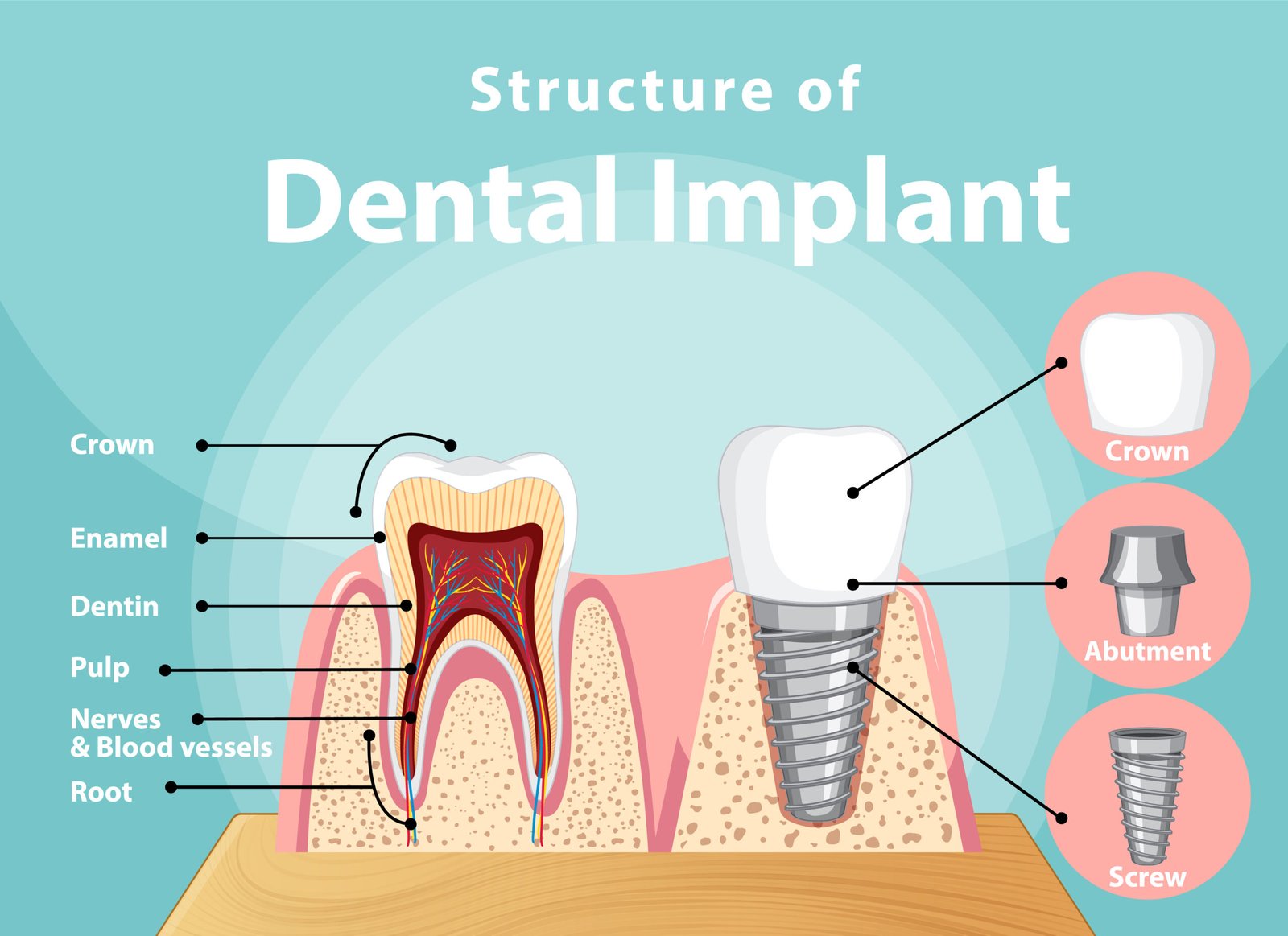
Comparison: Dental Implants vs. Bridges
| Feature | Dental Implant | Dental Bridge |
| Durability | Very High (Lifetime) | Moderate (10 to 15 years) |
| Healthy Teeth | Protects neighboring teeth | Requires shaving neighboring teeth |
| Surgery | Yes, minor surgery required | No surgery required |
| Time Frame | 3 to 6 months | 2 to 3 weeks |
| Bone Protection | Prevents bone loss | Does not prevent bone loss |
Aftercare and Tips
Regardless of which one you choose, your new tooth needs love:
- Brush and Floss: Treat your implant like a real tooth. For bridges, use special floss to clean underneath the fake tooth.
- Avoid Hard Candies: Do not use your new teeth as tools to open bottles or bite ice.
- Regular Check-ups: Visit your dentist in Thane every six months to ensure everything is stable.
Why Choose Shivaay Dental Clinic?
Choosing between dental implants vs. bridges is a big decision. At Shivaay Dental Clinic in Thane West, we specialize in restorative care. Led by Dr. Ashutosh Agarwal, a specialist in implants and gum care, we use advanced digital planning to ensure your treatment is precise and comfortable. We take the time to explain which option fits your lifestyle, health, and budget without any pressure.
Conclusion
A missing tooth does not have to be a permanent problem. Whether you choose the long-term stability of a dental implant or the quick convenience of a dental bridge, the most important step is to act quickly to prevent further damage to your jaw and other teeth.
Ready to restore your smile? Book your consultation at Shivaay Dental Clinic today and let us help you find the perfect fit!
FAQs
1. Is the dental implant procedure painful?
Most patients report very little discomfort. We use local anesthesia during the procedure, and most people find the recovery easier than a tooth extraction.
2. How long does a dental bridge last?
A well-maintained bridge typically lasts between 10 to 15 years. Eventually, the cement may wear out or the anchor teeth may face issues.
3. Can anyone get a dental implant?
Most adults with good general health and enough jawbone can get an implant. If you have significant bone loss, we may suggest a bone graft first.
4. Will my new tooth look natural?
Yes. Both implants and bridges use high-quality ceramic or zirconia that matches the exact shade and shape of your existing teeth.
5. Does a bridge feel bulky in the mouth?
It might feel slightly different for the first few days, but once you get used to it, it feels very natural and does not interfere with speech.