

Have you ever noticed a pink tint in the sink after brushing your teeth? Or maybe you saw a little blood when biting into a crisp apple? Most people in India shrug this off, thinking they just brushed a bit too hard or that it is just a minor heat issue in the body.
But here is the truth: healthy gums do not bleed. If your hand bled every time you washed it, you would be at the doctor’s office in an hour. Your mouth deserves that same urgency. Bleeding gums are a clear signal from your body that something is wrong deep within your oral foundation. In this guide, we will explore why Bleeding Gums happen and how you can protect your smile right here in Thane.
What Are Bleeding Gums?
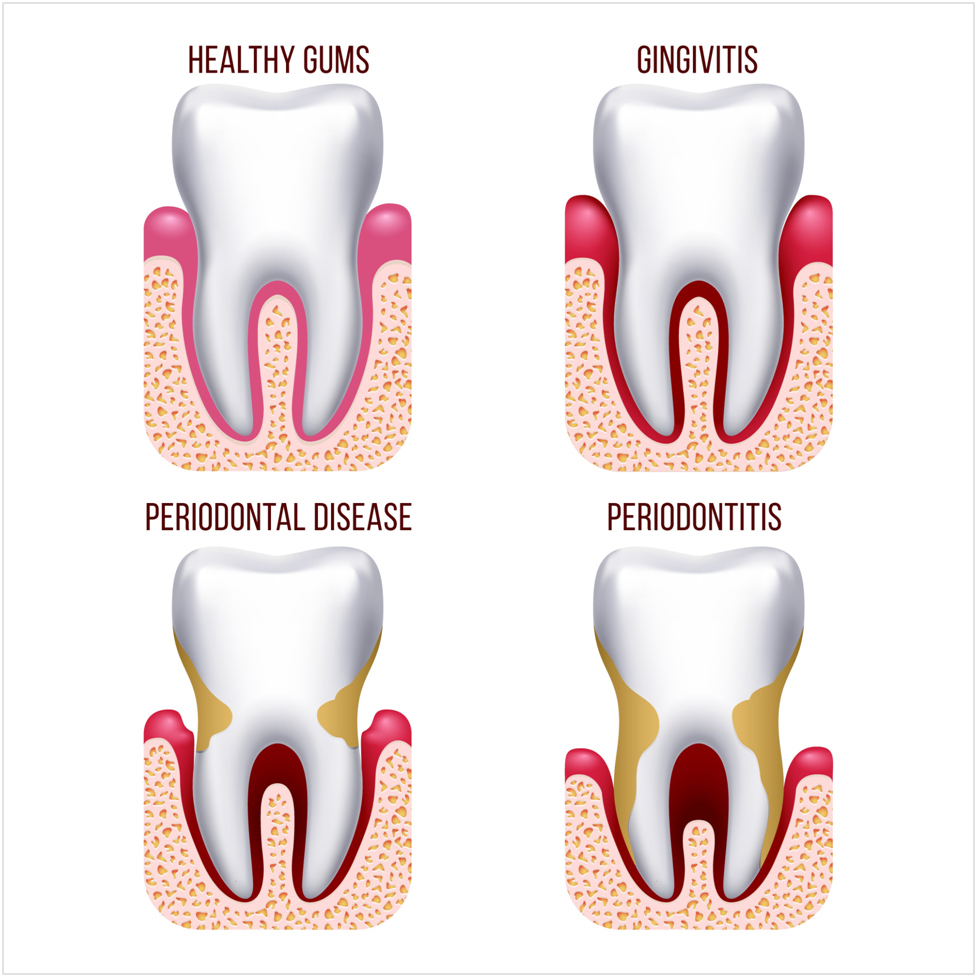
Bleeding gums, also known as gingival bleeding, happen when the soft tissues around your teeth become irritated or infected. Think of your gums as a protective seal for your teeth and jawbone. When this seal is healthy, it is firm and pale pink. When it is compromised, the tissue becomes fragile and the tiny blood vessels near the surface break easily. This is usually the first warning sign of gum disease.
Common Causes and Reasons
There is rarely just one reason for the bleeding, but here are the most frequent culprits we see at our clinic:
- Plaque and Tartar Build-up: This is the number one cause. Plaque is a sticky film of bacteria. If it isn’t cleaned off, it turns into tartar, a hard substance that only a dentist can remove.
- Gingivitis: This is the early stage of gum disease. It makes your gums red, puffy, and prone to bleeding.
- Pregnancy Gingivitis: Many women in India experience bleeding during pregnancy due to hormonal changes that make gums extra sensitive to bacteria.
- Vitamin Deficiencies: A lack of Vitamin C or Vitamin K can sometimes lead to gum issues.
- Aggressive Brushing: Using a toothbrush with hard bristles can actually tear your delicate gum tissue.
Symptoms and Signs to Watch For
Bleeding is the main symptom, but it usually brings other warning signs along. Look out for these red flags:
- Red or Puffy Gums: Healthy gums should be pink. Infected ones look dark red or swollen.
- Persistent Bad Breath: A constant bad taste or smell that won’t go away even after using mouthwash.
- Receding Gums: If your teeth look longer than they used to, your gums might be pulling away.
- Sensitivity: Pain when drinking something cold or hot.
- Loose Teeth: In later stages, the infection destroys the bone, causing teeth to shift or wobble.
Treatment Options
The good news is that if you catch it early, it is very easy to fix. We focus on patient-friendly, gentle treatments:
- Professional Scaling: This is a thorough cleaning where we remove the plaque and tartar that your toothbrush cannot reach.
- Deep Cleaning (Root Planing): If the infection has gone deeper, we smooth out the roots of the teeth to help the gums re-attach.
- Laser Gum Therapy: A modern, painless way to kill bacteria and help the gums heal faster without surgical cuts.
- Medicated Gels: We may apply specialized gels directly to the gum pockets to fight infection.
Step-by-Step Procedure
If you visit a clinic in Thane for this treatment, here is how the process works in simple terms:
- The Assessment: The dentist checks your gums to see how deep the pockets are between the tooth and the gum.
- Ultrasonic Cleaning: We use a special tool that vibrates gently to break up the hard tartar. It feels like a mild buzzing sensation.
- Smoothing the Roots: If needed, we smooth the rough areas on the tooth roots so bacteria have nowhere to hide.
- Polishing: We polish your teeth so they are smooth and shiny, making it harder for plaque to stick in the future.
- Healing Plan: We show you exactly how to brush and floss at home to make sure the bleeding stays away.
Benefits of the Treatment
- Save Your Natural Teeth: Gum disease is the leading cause of tooth loss in adults. Treatment keeps your teeth where they belong.
- Better Overall Health: Gum infections are linked to heart health and diabetes. A healthy mouth helps keep a healthy body.
- Fresh Breath: By removing the bacteria, you get rid of the source of bad breath.
- Stop Bone Loss: Early treatment prevents the infection from eating away at the jawbone that supports your teeth.
Comparison: Scaling vs. Home Remedies
Many people try to treat bleeding gums with salt water or turmeric at home. While these can provide temporary relief, they cannot remove tartar.
- Home Remedies: These only mask the problem and allow the infection to go deeper into the bone.
- Professional Scaling: This addresses the root cause by removing the bacteria colonies that your brush can’t touch.
Aftercare and Tips
- Switch to a Soft Brush: Use soft or ultra-soft bristles to avoid irritating your gums.
- Floss Daily: Brushing only cleans 60 percent of the tooth. Flossing gets the other 40 percent where most bleeding starts.
- Stay Hydrated: Drinking water helps wash away food particles and keeps your mouth clean.
- Regular Check-ups: Visit your dentist every six months to catch any issues before they become painful.
Why Choose Shivaay Gum Care Dental Clinic?
When it comes to your gums, you need more than just a general dentist. At Shivaay Gum Care Dental Clinic in Thane West, we specialize in gum health. Led by a Periodontist, an expert in gums and implants, we use evidence-based methods and modern technology. We believe in gentle care and non-rushed appointments, ensuring you understand every step of your treatment.
Conclusion
Bleeding gums are a silent cry for help from your body. By acting now, you can avoid pain, tooth loss, and expensive surgeries later. If you are in Thane and notice any signs of gum trouble, do not wait for the pain to start. Most gum issues are reversible if treated early.
Stop the bleeding and save your smile. Book a consultation at Shivaay Gum Care Dental Clinic today!
FAQs
1. Is it normal for gums to bleed during pregnancy?
It is common due to hormones, but it is not healthy. You should get a gentle cleaning to prevent “pregnancy gingivitis” from damaging your bone.
2. Does scaling make teeth weak or loose?
No. Scaling removes the dirt that was actually causing your teeth to become loose. Your teeth may feel “light” for a day, but they will be much healthier.
3. How long does it take for gums to stop bleeding after treatment?
Most patients see a significant improvement within 7 to 10 days of a professional cleaning, provided they follow the home care steps.
4. Can I just use mouthwash instead of going to the dentist?
Mouthwash can kill some bacteria, but it cannot remove hard tartar. Think of it like trying to clean a stained floor with just a spray without scrubbing.
5. Which toothbrush is best for bleeding gums?
Always look for an “Ultra-Soft” or “Sensitive” toothbrush. Hard brushes can push the gums back and make the problem worse.